Anorectal Health

Anal Fistula & Anal FissureUnderstanding Symptoms, Causes & Treatment

Learn about anal fistula and anal fissure, their common symptoms, possible causes, diagnosis, and available treatment options.

Anorectal Conditions

Anal fissure and anal fistula are different conditions

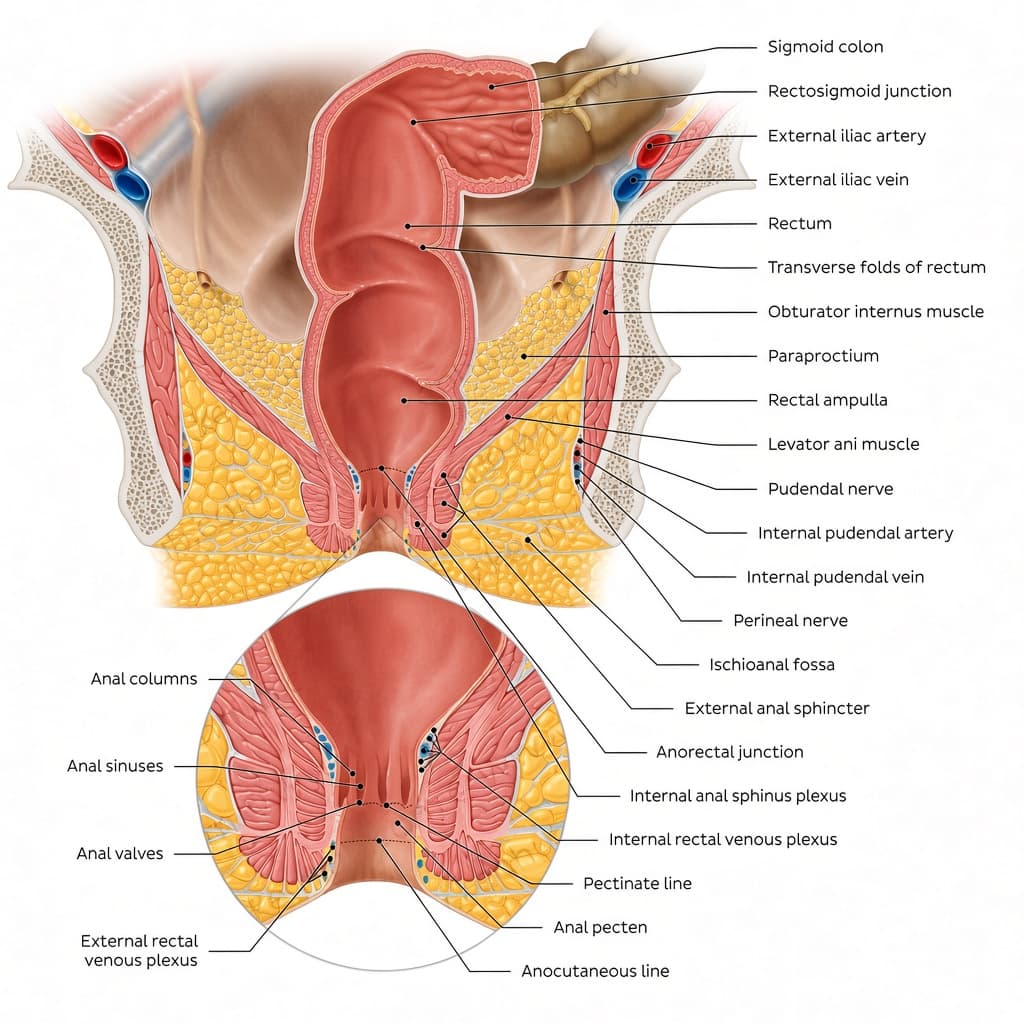
Although the terms are sometimes confused, an anal fissure and an anal fistula are not the same condition. An anal fissure is a tear in the lining of the anal canal, whereas an anal fistula is an abnormal tunnel connecting the anal canal with the surrounding skin.

Recognizing the difference is important because persistent anal pain, rectal bleeding, swelling or discharge can have different underlying causes and may require different forms of assessment and treatment.

Know the Difference

Anal fissure vs. anal fistula

Both conditions affect the anal region, but their underlying problems and typical symptoms can be different.

01

Anal Fissure

An anal fissure is a small tear in the lining of the anal canal. It can cause significant pain during bowel movements and may produce bright-red rectal bleeding.

  • Pain during or after stool
  • Bright-red bleeding
  • Burning or irritation
  • Often associated with hard stools
02

Anal Fistula

An anal fistula is an abnormal passage between the anal canal and the skin near the anus. It can develop following an anal or perianal abscess and may cause recurrent swelling or discharge.

  • Recurrent swelling
  • Pus or other discharge
  • Local tenderness or pain
  • Small opening near the anus
 anatomy
Symptoms

Symptoms that should not be ignored

Anorectal symptoms can range from mild irritation to persistent pain and discharge. The exact cause cannot always be determined from symptoms alone, particularly when symptoms continue or repeatedly return.

  • Pain during or after bowel movements
  • Bright-red blood on toilet paper or around the stool
  • Burning, irritation or itching around the anus
  • A tender swelling or lump near the anal opening
  • Pus or other discharge from an opening near the anus
  • Repeated swelling that may improve after drainage
  • Discomfort while sitting for prolonged periods
  • Constipation, hard stools or straining during bowel movements
Possible Contributing Factors

What can contribute to anal fissure and fistula?

Understanding the possible contributing factors can help patients recognize symptoms earlier and seek appropriate medical guidance.

01

Constipation & Hard Stools

Passing hard or dry stools can put pressure on the delicate anal lining and may contribute to the development or recurrence of an anal fissure.

02

Straining During Bowel Movements

Repeated straining can increase pressure around the anal canal and may aggravate existing pain, irritation or a fissure.

03

Anal Abscess & Infection

An anal fistula commonly develops after an infection or abscess around the anal glands creates a persistent abnormal tract to the skin.

04

Other Contributing Conditions

Some anorectal symptoms may occur alongside inflammatory bowel disease, previous procedures, trauma or other medical conditions and therefore require proper assessment.

Individualized Consultation

A structured approach to your symptoms

At Dr. Muhammad Ijaz's clinic, consultation begins with a detailed discussion of the patient's symptoms, history and bowel habits. The aim is to understand the individual presentation before discussing an appropriate care plan.

Persistent or concerning symptoms should receive suitable medical evaluation rather than being managed solely on the basis of online information.

  • Detailed review of symptoms and medical history
  • Assessment of bowel habits, constipation and straining
  • Individualized consultation based on the patient's condition
  • Attention to diet, hydration and bowel regularity
  • Monitoring of persistent pain, bleeding, swelling or discharge
  • Referral for medical or surgical assessment when clinically appropriate

Important: Persistent or severe anal pain, significant bleeding, fever, increasing swelling or pus discharge should be medically assessed. This page provides general health information and does not replace an examination or diagnosis by a qualified healthcare professional.

Frequently Asked Questions

Questions about anal fistula and anal fissure

What is an anal fissure?

An anal fissure is a tear in the lining of the anal canal. Pain during or after bowel movements and bright-red bleeding are common symptoms.

What is an anal fistula?

An anal fistula is an abnormal passage connecting the anal canal with the skin near the anus. It commonly develops following an anal or perianal abscess.

Can constipation cause an anal fissure?

Hard stools and repeated straining can injure the anal lining and contribute to an anal fissure. Managing bowel regularity is therefore an important part of anorectal health.

Is pus discharge a symptom of anal fistula?

Pus or other drainage from an opening near the anus can occur with an anal fistula, particularly when a fistula is associated with previous infection or an abscess.

When should I see a doctor?

Seek medical evaluation for persistent or recurrent pain, bleeding, swelling, fever or discharge, especially when symptoms are worsening or repeatedly returning.

Can I consult Dr. Muhammad Ijaz online?

Contact the clinic by telephone or WhatsApp to ask about available consultation options and whether your symptoms are suitable for an initial consultation.
Request a Consultation

Discuss your symptoms with Dr. Muhammad Ijaz

If you are experiencing persistent anal pain, bleeding, irritation, swelling or discharge, contact the clinic to discuss your symptoms and available consultation options.

Visit the contact page