Immune-System Dysfunction
IBD involves an abnormal immune response that contributes to inflammation in the digestive tract.
Explore inflammatory bowel disease, including Crohn's disease and ulcerative colitis, symptoms, causes and treatment approaches. Consult Dr. Muhammad Ijaz in Islamabad.
Inflammatory bowel disease (IBD) is a group of chronic conditions involving inflammation in the digestive tract. The two main forms are Crohn's disease and ulcerative colitis.
IBD can involve periods of increased symptoms and periods of relative stability. Because untreated intestinal inflammation can lead to complications, ongoing medical care and appropriate evaluation are important.
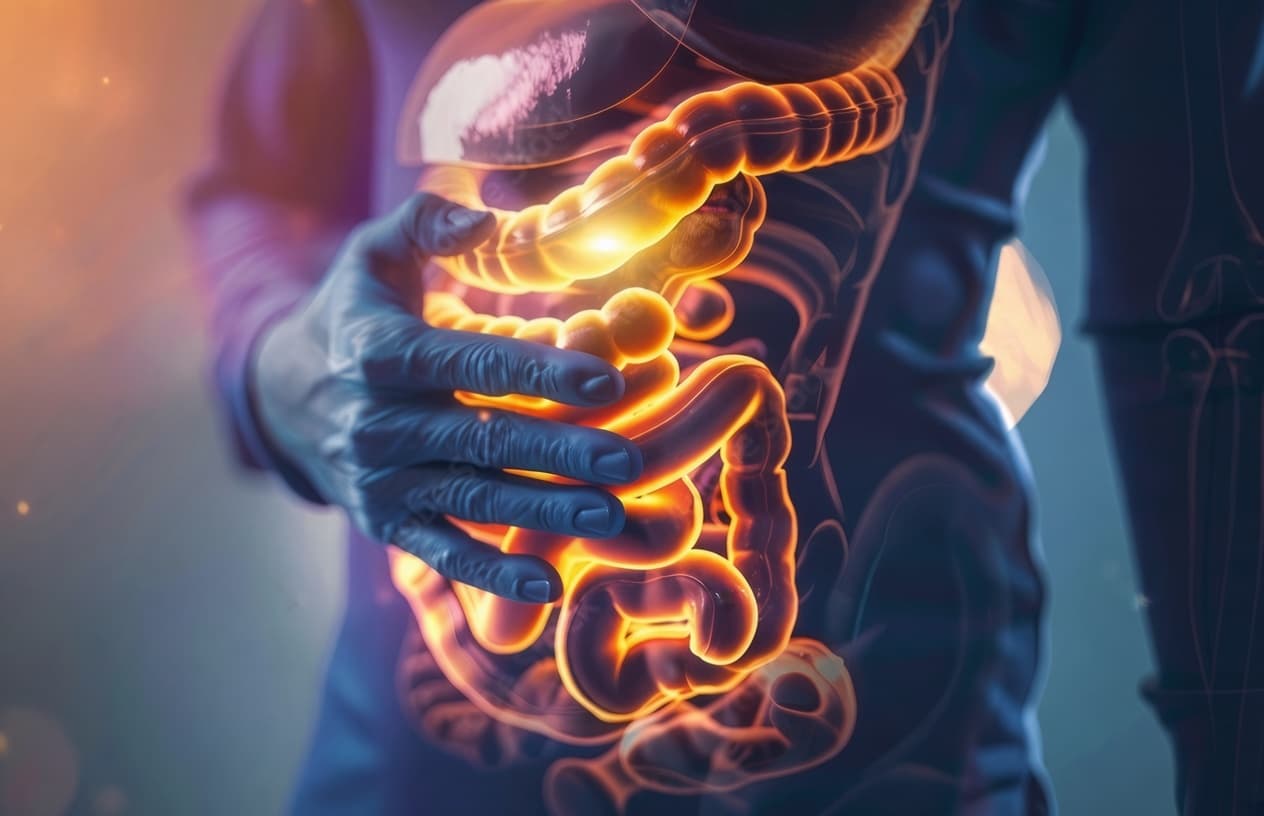
Symptoms can vary between individuals. A symptom list can help with awareness, but it should not be used as a substitute for diagnosis.
Understanding contributing factors can help patients recognize patterns and decide when professional assessment may be appropriate.
IBD involves an abnormal immune response that contributes to inflammation in the digestive tract.
Family history can increase susceptibility to inflammatory bowel disease.
Environmental and lifestyle factors may interact with genetic and immune factors in the development of IBD.
Crohn's disease and ulcerative colitis affect the digestive tract differently, so symptoms and complications can vary.
At Dr. Muhammad Ijaz's clinic, consultation begins with a detailed discussion of symptoms, relevant history and previous care. The aim is to understand the individual presentation before discussing an appropriate care plan.
Persistent, severe or unexplained symptoms should receive appropriate medical evaluation rather than being managed solely from online information.
Important: Persistent bloody diarrhea, severe abdominal pain, fever, repeated vomiting, dehydration, fainting or rapidly worsening symptoms require prompt medical assessment. This page provides general health information and does not replace an examination or diagnosis by a qualified healthcare professional.
Inflammatory bowel disease is a group of chronic conditions characterized by inflammation in the digestive tract, mainly Crohn's disease and ulcerative colitis.
IBD involves measurable inflammation and includes Crohn's disease and ulcerative colitis, while IBS is a functional gastrointestinal disorder without the same type of intestinal inflammation.
Diarrhea, abdominal pain, blood or mucus in stool, urgency, fatigue and unintended weight loss can occur.
Yes. Blood in stool can occur, particularly with ulcerative colitis, but rectal bleeding has multiple possible causes and should be assessed.
Persistent diarrhea, blood in stool, unexplained weight loss, fever, significant abdominal pain or worsening symptoms should receive medical evaluation.
Contact the clinic by telephone or WhatsApp to ask about consultation options and whether an initial consultation is appropriate.
If ongoing digestive symptoms or a previous IBD diagnosis are affecting your daily life, contact the clinic to discuss your history and consultation options.
Visit the contact page