Hormonal Imbalance
PCOS is associated with altered reproductive hormone patterns, including higher androgen activity in many affected individuals.
Explore PCOS and PCOD, symptoms, contributing factors, diagnosis and management options. Consult Dr. Muhammad Ijaz for individualized homeopathic care in Islamabad.
Polycystic ovary syndrome (PCOS), also commonly referred to as PCOD in South Asia, is a hormonal and metabolic condition that can affect menstrual cycles, androgen levels and ovulation. Symptoms and severity vary widely.
Irregular periods, acne, increased facial or body hair and difficulty with ovulation may occur, but these symptoms can also have other causes. Proper clinical assessment is important when symptoms persist.
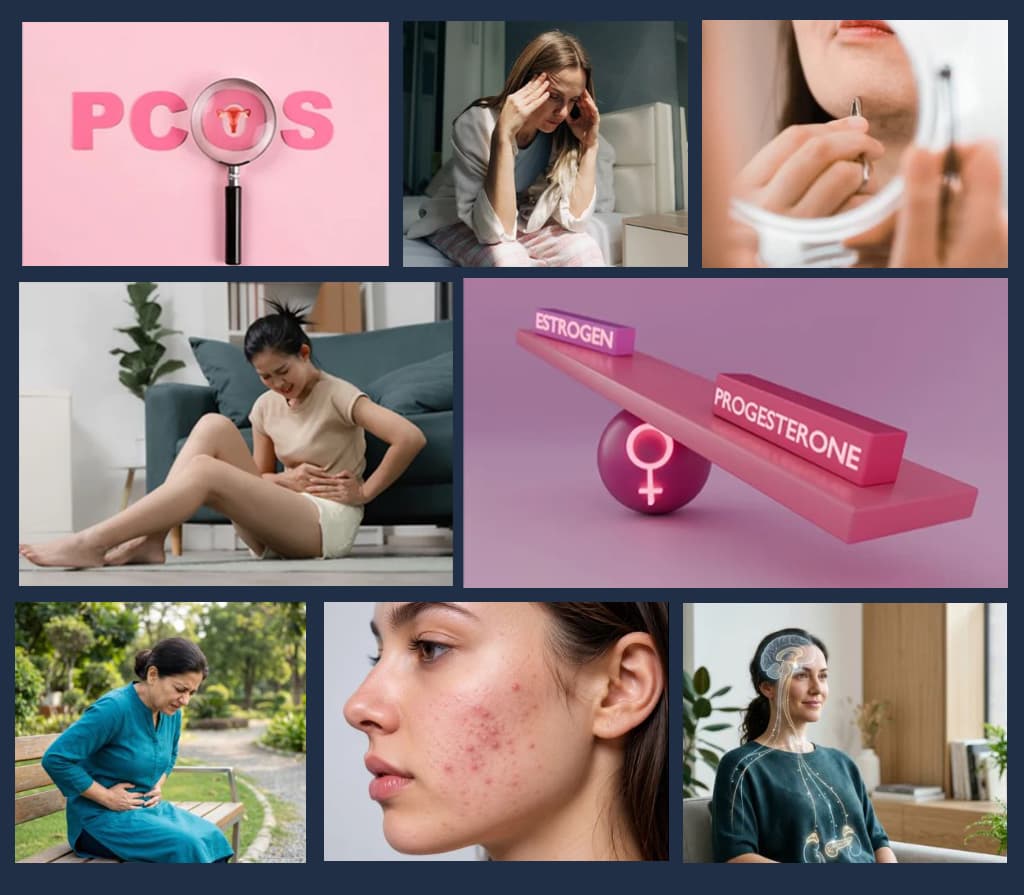
Symptoms can vary between individuals. A symptom list can help with awareness, but it should not be used as a substitute for diagnosis.
Understanding contributing factors can help patients recognize patterns and decide when professional assessment may be appropriate.
PCOS is associated with altered reproductive hormone patterns, including higher androgen activity in many affected individuals.
Irregular or absent ovulation can contribute to irregular menstrual cycles and may affect fertility.
Insulin resistance and other metabolic factors are associated with PCOS in many people, although presentation varies.
A family history of PCOS or related metabolic and reproductive conditions may increase susceptibility.
At Dr. Muhammad Ijaz's clinic, consultation begins with a detailed discussion of symptoms, relevant history and previous care. The aim is to understand the individual presentation before discussing an appropriate care plan.
Persistent, severe or unexplained symptoms should receive appropriate medical evaluation rather than being managed solely from online information.
Important: Very heavy bleeding, severe pelvic pain, fainting, pregnancy-related concerns, or other acute symptoms should receive appropriate medical assessment without delay. This page provides general health information and does not replace an examination or diagnosis by a qualified healthcare professional.
PCOS is a hormonal and metabolic condition that can affect ovulation, menstrual cycles and androgen-related symptoms.
PCOD is a term commonly used in South Asia for a condition often referring to PCOS; the terminology used in clinical settings is generally PCOS.
Irregular periods, acne, increased facial or body hair, scalp hair thinning and difficulty with ovulation can occur.
PCOS can affect ovulation and therefore may contribute to difficulty becoming pregnant for some people.
No. The name can be misleading; polycystic-appearing ovaries are not required in every person with PCOS.
Contact the clinic by telephone or WhatsApp to ask about consultation options and whether an initial consultation is appropriate.
If irregular periods or other PCOS-related symptoms are affecting your wellbeing, contact the clinic to discuss your symptoms and consultation options.
Visit the contact page